






Viruses Don’t Wear Hoodies Anymore They Hide in Downloads
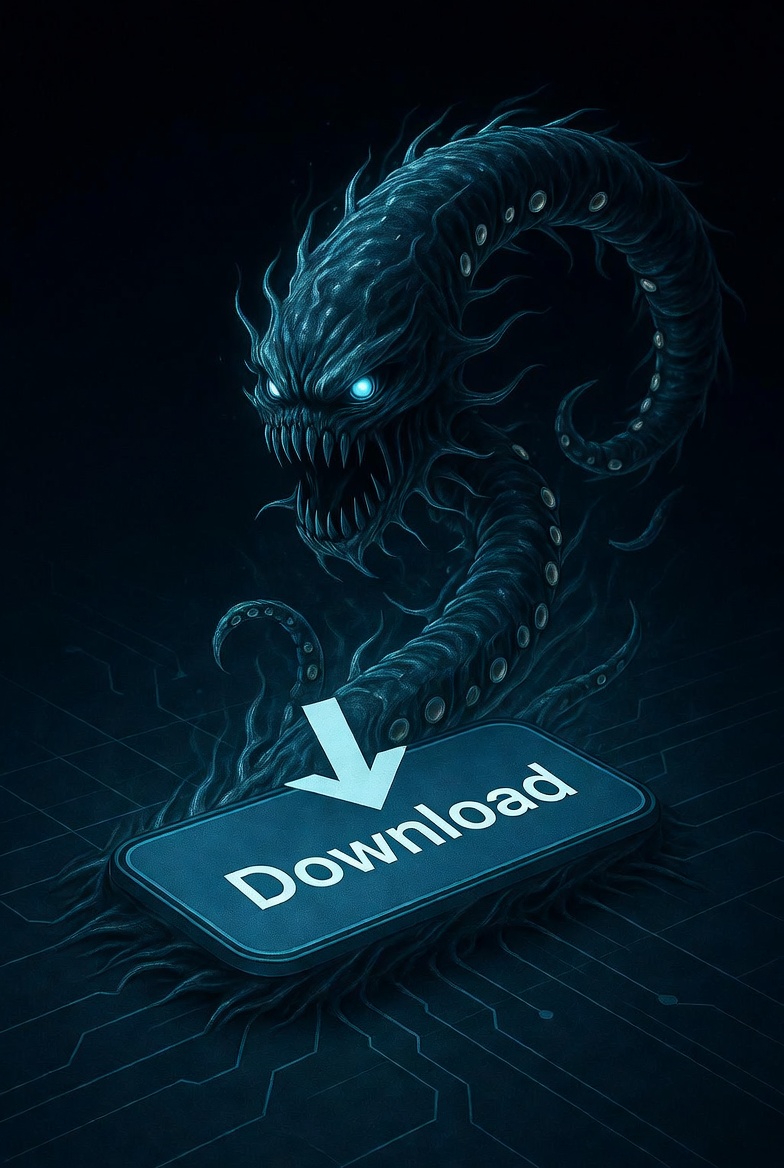
When people hear the word computer virus, they still imagine a dramatic hacker in a hoodie furiously typing in a dark room. That image is outdated. Modern computer viruses don’t look scary, suspicious, or illegal. They look helpful. They look free. They look like something you would click without thinking.
That’s the real danger.
Today’s malware doesn’t break into your computer you invite it in.
Most modern viruses arrive disguised as cracked software, fake installers, browser extensions, free utilities, email attachments, or even ads. They don’t announce themselves. They don’t destroy your system immediately. Instead, they quietly sit in the background, stealing resources, data, and performance while pretending to be harmless.
Let’s start with downloads, the most common infection method.
Free software sites, torrent platforms, and sketchy download buttons are prime hunting grounds for malware. A program might install exactly what you wanted but bundled with it is adware, spyware, or worse. Many users don’t notice because the program “works,” while the virus does its job silently.
Next is cracked and pirated software.
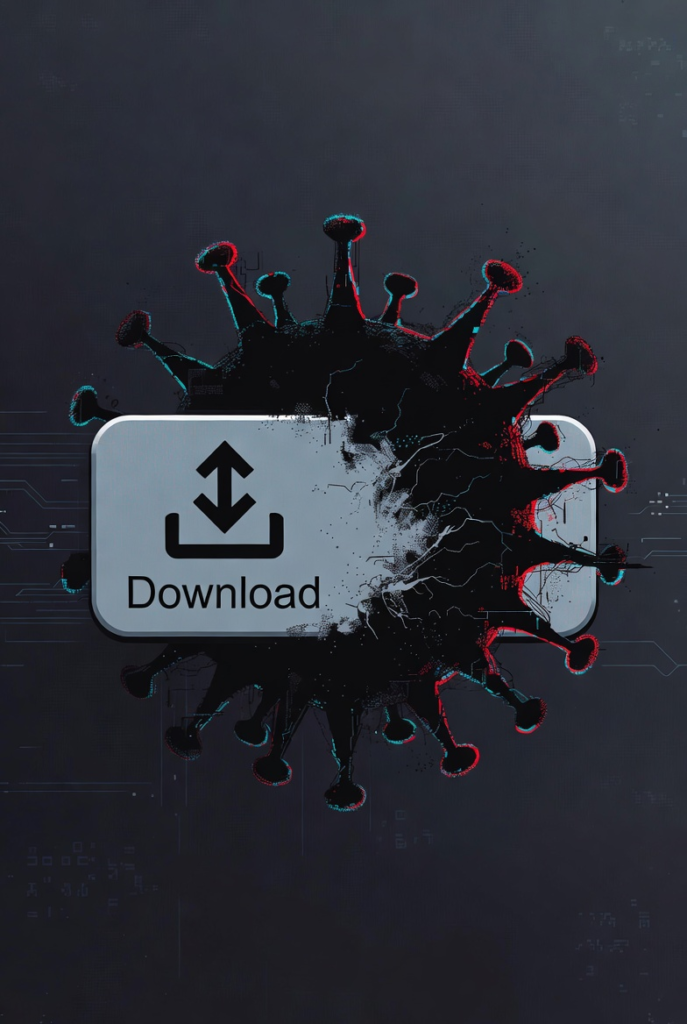
People love free versions of paid apps, but cracked software is one of the fastest ways to infect a system. These files often disable security features to run properly, creating a perfect opening for malware. Even worse, many cracks intentionally include malicious code. The software works but your computer slowly becomes compromised.
Then there’s email-based malware.
Modern phishing emails are surprisingly convincing. They look like invoices, school notices, delivery updates, or system alerts. One click on a fake attachment or link is enough to install malware. These attacks don’t rely on advanced hacking they rely on urgency and fear.
Web browsers are another major entry point.
Malicious browser extensions promise speed boosts, free downloads, or extra features. Once installed, they can track activity, redirect searches, inject ads, and slow your system dramatically. Some even steal login information. Users blame the browser for being slow, unaware that the real issue is an extension silently running in the background.
Now let’s talk about what viruses actually do today.
Contrary to popular belief, most modern malware doesn’t try to destroy your system. It wants to stay hidden. It may:
- Steal passwords and personal data
- Track browsing behavior
- Display constant ads
- Use your PC for crypto mining
- Slow your system intentionally
- Turn your device into part of a botnet
This is why infected computers often feel slow, hot, or unstable without obvious signs of damage.
Another dangerous myth is that antivirus software is optional.
While modern operating systems include built-in protection, antivirus tools still matter especially for users who download files often. Security software scans downloads, blocks suspicious behavior, and stops threats before they fully activate. It’s not perfect, but it dramatically reduces risk.
Updates also play a huge role.
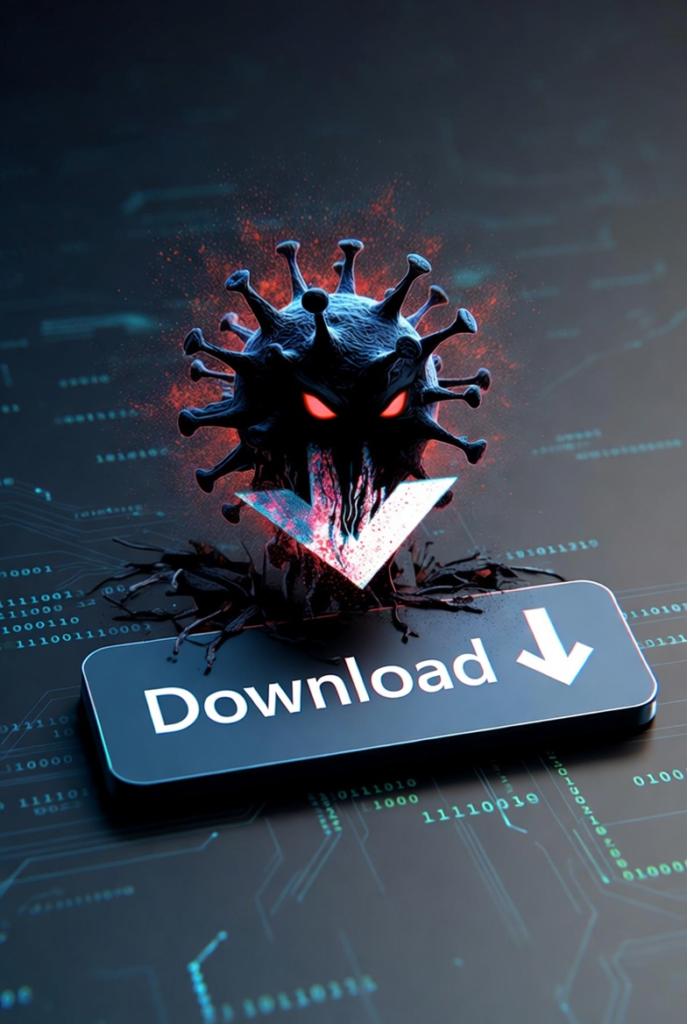
Operating system and software updates aren’t just about features they patch security holes. Malware often exploits known vulnerabilities. Running outdated software is like leaving your door unlocked and hoping nothing bad happens.
User behavior is the final and most important factor.
Clicking everything, ignoring warnings, disabling security features, and installing random software creates risk. Cybersecurity isn’t about fear it’s about habits. The safest computer isn’t the most expensive one; it’s the one used carefully.
So how do you stay safe?
- Download software only from trusted sources
- Avoid cracked or pirated programs
- Be suspicious of email attachments
- Keep your system and apps updated
- Use antivirus protection
- Read installation prompts carefully
Modern viruses don’t need to attack aggressively. They wait for permission and most of the time, users give it willingly.
The hoodie-wearing hacker myth is gone.
The real threat looks like a download button.
