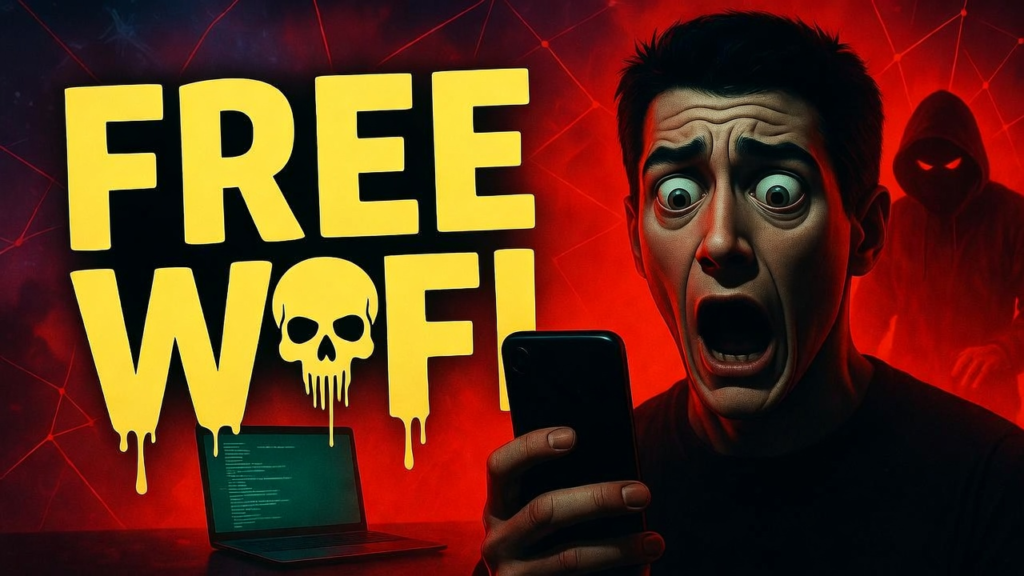






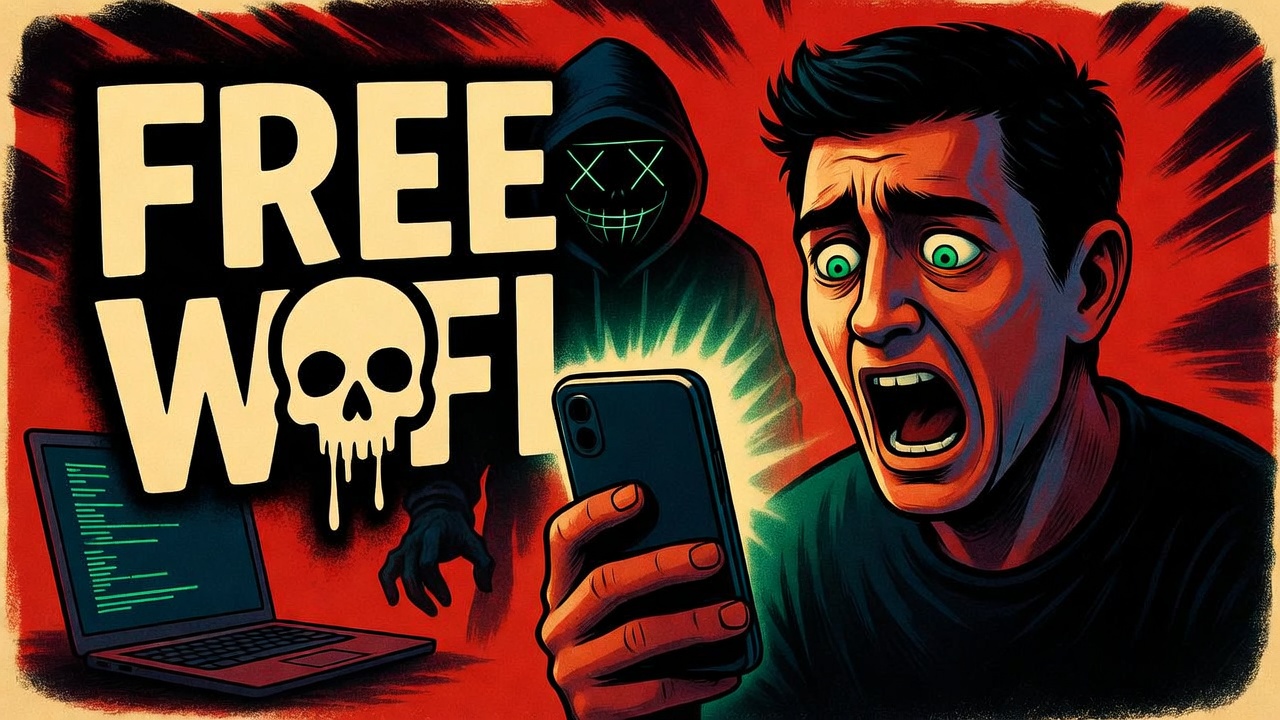
Free WiFi: Free Internet or Free Data for Hackers?
You’re at a café.
You order your drink.
You open your laptop.
Then you see it.
“Free WiFi Available.”
Your brain says: Nice.
Your wallet says: Thank you.
But your cybersecurity instincts? Probably silent.
Because here’s the uncomfortable truth:
Free WiFi isn’t always free. Sometimes, you’re the payment.
Let’s talk about why that innocent little network name might not be as friendly as it looks.
Why Free WiFi Feels So Safe
It’s everywhere.
Coffee shops. Airports. Malls. Hotels. Schools.
We’ve normalized connecting instantly without thinking twice. It feels convenient, modern, harmless.
But public WiFi networks are usually:
- Open (no encryption)
- Shared by many users
- Easy to imitate
- Poorly secured
That combination? Perfect playground for cybercriminals.
The Classic Trap: Fake WiFi Networks
Imagine this.
You see two networks:
- CoffeeShop_WiFi
- CoffeeShop_Free
One is real. One is fake.
Hackers can create “evil twin” networks that look legitimate. Once you connect, they can monitor traffic passing through.
You think you’re scrolling social media.
They might be capturing login credentials.
What Hackers Can Actually See
On unsecured networks, attackers may be able to:
- Intercept unencrypted data
- Capture passwords (if the site isn’t HTTPS)
- Monitor browsing activity
- Launch man-in-the-middle attacks
- Inject malicious software
Now, modern websites use HTTPS encryption, which helps. But not everything is fully protected — especially older sites or unsecured apps.
And if your device auto-connects? That’s even riskier.
The “It Won’t Happen to Me” Mindset
Here’s the problem.
Most people think:
“I’m not important enough to hack.”
Cybercrime isn’t personal. It’s opportunistic.
Hackers don’t care who you are. They care that:
- You’re connected.
- You’re unprotected.
- You typed a password.
That’s enough.
When Is Free WiFi Actually Risky?
Public WiFi becomes especially dangerous when you:
- Log into banking apps
- Enter credit card information
- Access work emails
- Upload sensitive documents
- Use weak passwords
If you wouldn’t shout your password in a crowded room, maybe don’t type it on unsecured public WiFi.
How to Stay Safe on Public WiFi
Now the good news you don’t need to panic.
Here are simple safety tips:
Use a VPN
A Virtual Private Network encrypts your internet traffic, making it harder for attackers to intercept your data.
Check for HTTPS
Always look for the padlock icon in your browser.
Avoid Sensitive Transactions
No banking. No major purchases. Save it for a secure network.
Turn Off Auto-Connect
Prevent your device from automatically joining unknown networks.
Use Two-Factor Authentication
Even if someone gets your password, they still need the second verification step.
Is Free WiFi Always Dangerous?
Not always.
Some establishments invest in secure networks. But the risk is higher compared to your private home WiFi.
Public WiFi is like a public space.
You wouldn’t leave your wallet on a café table.
Don’t leave your digital wallet exposed either.
Free WiFi is convenient. It’s useful. It saves data.
But it’s not always safe.
The real danger isn’t the network itself it’s the false sense of security.
So next time you see “Free WiFi,” go ahead and connect…
Just don’t forget that convenience without caution can cost more than mobile data ever would.