




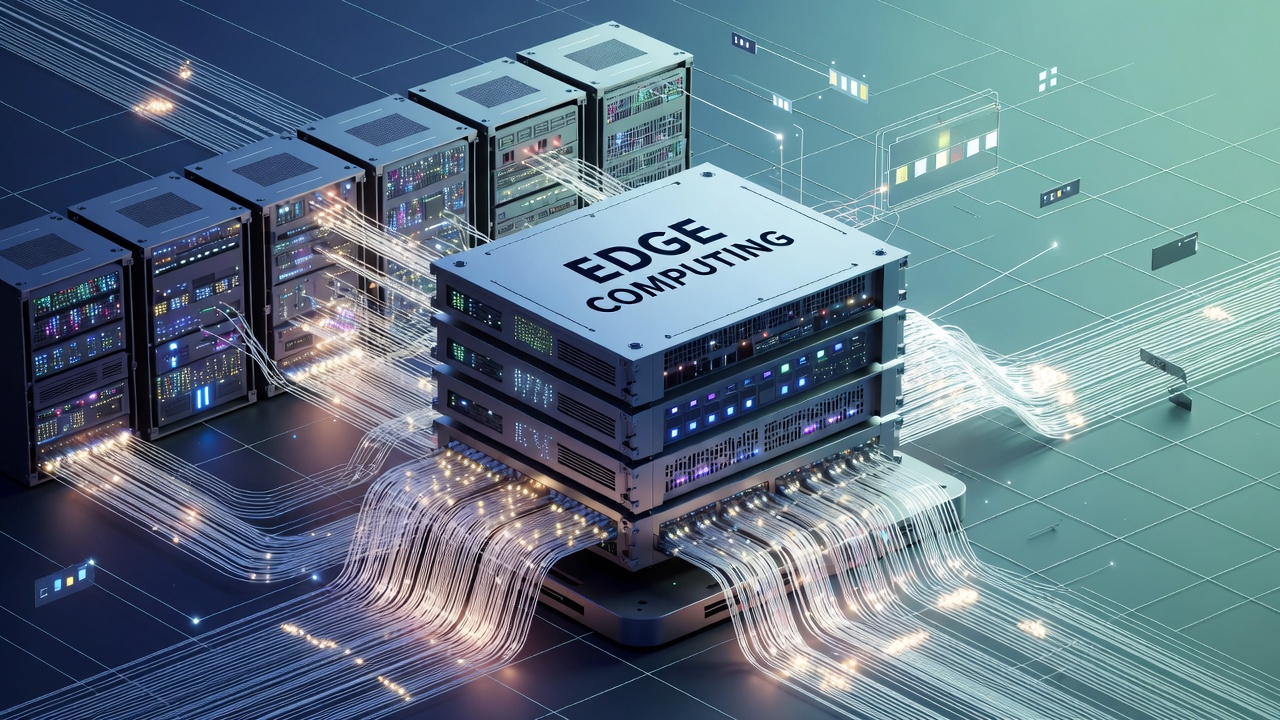
“Edge Computing: The Fast Lane of Data Processing!”
In the digital age, the amount of data being generated is growing faster than ever. Whether it’s IoT devices, social media, or even your smartwatch, data is being created all around us. But here’s the catch: moving all that data to a centralized server, often located thousands of miles away, can cause serious delays. Enter Edge Computing, the revolutionary technology that’s reshaping how data is processed.
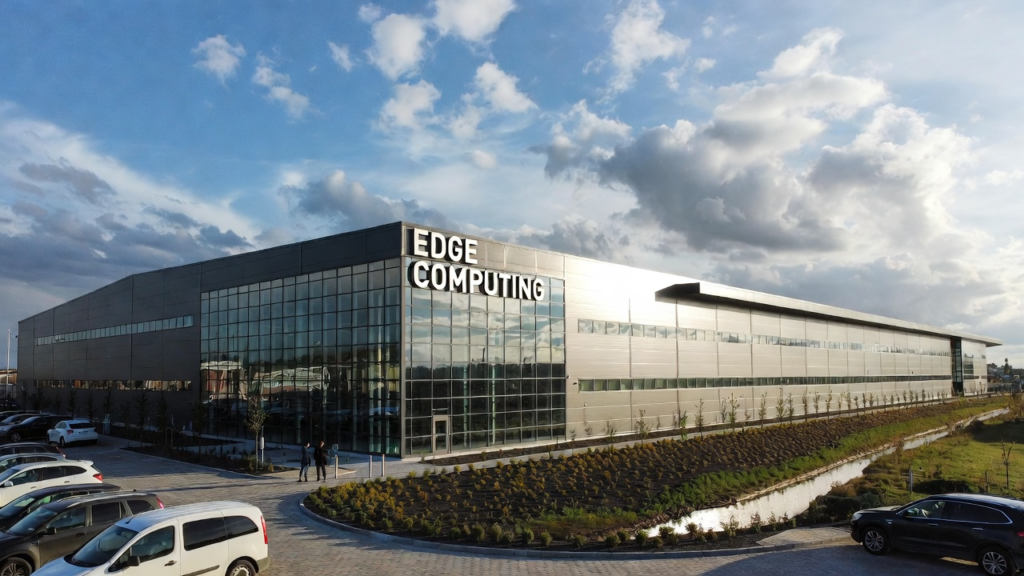
Imagine a world where your data doesn’t have to travel halfway around the world to be processed. Instead, it’s processed right where it’s generated at the “edge” of the network. Sounds futuristic, right? Well, it’s here. Let’s take a closer look at why edge computing is not just the next big thing, but the now
.
1. What is Edge Computing?
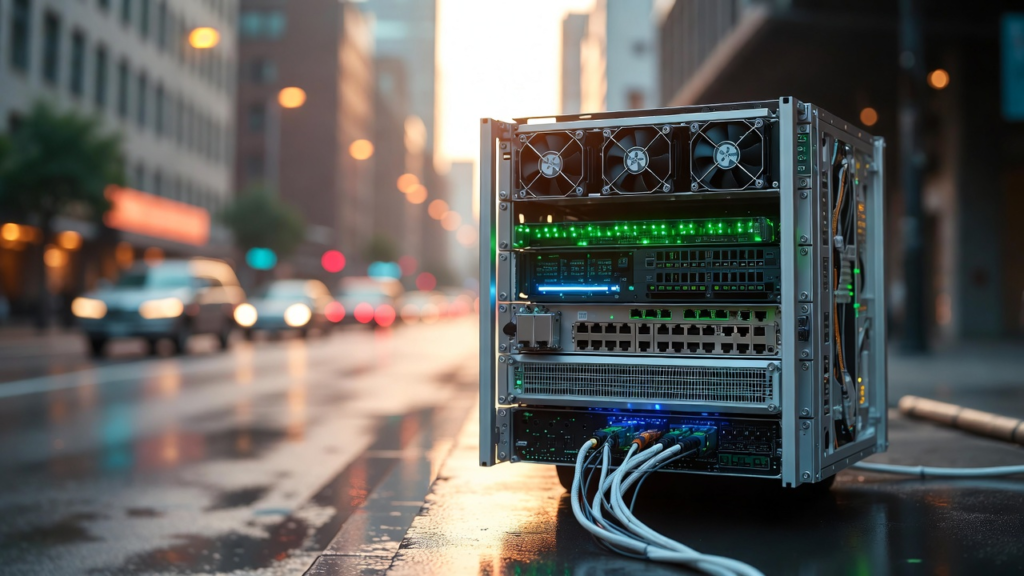
Edge computing refers to processing data as close to its source as possible whether that’s your phone, smart fridge, or industrial sensor. In traditional computing, data is sent to a centralized cloud server for processing, which can create latency especially when the data is time sensitive.
Edge computing, on the other hand, processes the data on-site or on a nearby device (the “edge”), allowing for faster decision-making. Think of it like taking the expressway instead of the winding back roads. It’s quicker, more efficient, and doesn’t require a detour.
2. Why is Edge Computing Necessary?
The rise of IoT devices (Internet of Things) has made traditional cloud computing less efficient. Smart devices are generating an overwhelming amount of data every second. If we tried to send all that information to a centralized cloud server, it would create a traffic jam on the digital highway.
Edge computing solves this problem by handling data processing locally, at the “edge” of the network, so that only the most essential data gets sent to the cloud. This leads to quicker decisions, improved performance, and reduced bandwidth costs. Plus, it’s a real-time processing hero when it comes to mission-critical applications like self-driving cars or remote healthcare.
3. Edge Computing in Action: A Real-Time Hero
Let’s take the example of self-driving cars. These vehicles generate an immense amount of data, including radar signals, camera feeds, and GPS information. If this data had to be processed in the cloud, the car would have to wait for the server to make a decision possibly seconds too late in a high-speed environment.
With edge computing, the car can process this data locally, make real-time decisions, and react instantly. No delays, no waiting around for data to be sent to the cloud. In this case, edge computing literally saves lives.
4. The Big Benefits of Edge Computing
- Speed: By processing data closer to its source, edge computing dramatically reduces latency, leading to faster responses. This is critical for applications that require real-time analysis.
- Bandwidth Savings: Since only the necessary data gets sent to the cloud, edge computing helps save on bandwidth costs and reduces the strain on networks. Think of it like sending a postcard instead of an entire novel.
- Reliability: Edge computing ensures that even if your internet connection is slow or down, devices can still process and analyze data locally. No more “connection lost” frustration!
- Privacy & Security: With edge computing, sensitive data can stay within a localized network, reducing the risk of hacking and data breaches. Think of it as keeping your valuables locked in a vault right next to you, rather than sending them to a faraway storage facility.
5. The Future of Edge Computing
So, is edge computing the future? Absolutely. As more devices become “smart” and as the demand for faster, more efficient data processing continues to grow, edge computing will become an essential part of the digital infrastructure. It’s the backbone of 5G networks, which promise lightning-fast communication and near-instantaneous data transfer.
And the best part? Edge computing isn’t limited to just self-driving cars and IoT devices. It’s already transforming industries like healthcare, retail, agriculture, and manufacturing, improving everything from remote diagnostics to inventory management.
Conclusion: Edge Computing is the Game Changer We’ve Been Waiting For
In conclusion, edge computing is about processing data where it’s created, enabling real-time, fast, and secure decisions. With the rise of IoT, 5G, and other cutting-edge technologies, edge computing is no longer a “maybe” in the future it’s the present. It’s like upgrading from a dial-up connection to high-speed fiber-optic internet; it’s just that much faster, smarter, and more efficient.
As the world becomes more connected and data-driven, edge computing will continue to be the key to ensuring that the future of technology is fast, seamless, and secure.