






AI and the Future of Warfare: Autonomous Weapons and Ethical Concerns
AI in warfare is no longer the stuff of dystopian science fiction it’s a growing reality. From autonomous drones to AI-powered decision-making systems, military technology is evolving at an unprecedented rate. But with great power comes great responsibility or, in some cases, great peril. How far is too far when it comes to letting machines make life-and-death decisions? Let’s take a deep dive into the world of autonomous weapons and the ethical questions they raise.
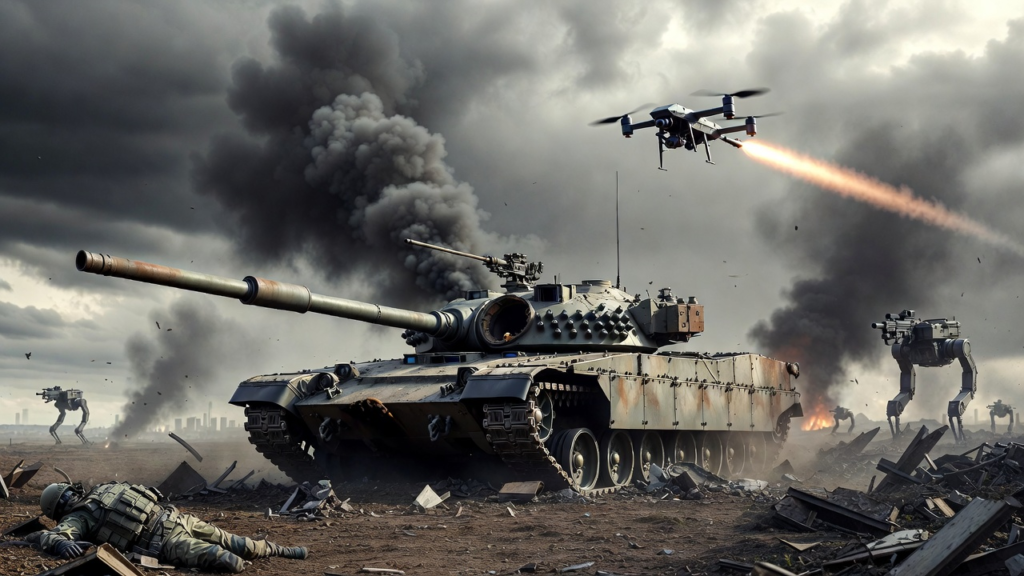
1. “The Rise of Autonomous Weapons: When Robots Get the Final Say”
- Begin with an introduction to autonomous weapons AI-powered machines capable of making decisions on their own. These weapons, such as drones or land-based robots, can target and eliminate threats without human intervention. While this could reduce the risk to human soldiers, it also raises the question: Should machines really decide who lives and who dies?
2. “AI: The New Military General? When Machines Lead the Charge”
- AI is not just for weapons it’s also being used to help strategize military operations. From analyzing vast amounts of intelligence data to predicting enemy movements, AI could become a digital general making tactical decisions. But what happens when those decisions lead to unintended consequences, or worse, a full-scale conflict? Are we putting too much trust in algorithms?
3. “The Ethics of Autonomous Weapons: Can Machines Make Moral Decisions?”
- Discuss the ethical dilemma of allowing machines to make decisions that can affect human lives. While humans are often guided by ethical frameworks in warfare, machines follow pre-programmed rules and logic. Can AI ever be equipped with the moral compass needed to distinguish between right and wrong in life-or-death situations?
4. “AI and the ‘Killer Robots’ Debate: Will We Soon Have Wars Fought by Machines?”
- Address the growing concern over “killer robots” and the potential for AI-powered warfare to become a major military force. From autonomous drones that can target and kill to robotic soldiers that may one day fight on the battlefield, will we soon see wars where humans are sidelined, and machines fight for us?
5. “The Legal and Moral Questions: Who’s Responsible When an AI Makes a Fatal Mistake?”
- One of the biggest ethical concerns is accountability. If an autonomous weapon makes a mistake say, targeting the wrong civilian building who is held responsible? Is it the programmer, the military, or the machine itself? Explore the complexity of legal and moral accountability in a world where AI may be calling the shots.
6. “AI Warfare: The Risk of a Global Arms Race”
- The more powerful AI weapons become, the more countries will race to develop their own advanced military technologies. This could spark a global arms race, with nations racing to outpace each other in developing the next generation of autonomous weapons. What are the implications of such an arms race on global security and diplomacy?
7. “The Psychological Impact of AI Warfare: Can We Handle the ‘Machines’ Making the Calls?”
- Autonomous weapons and AI military technology are not only changing how wars are fought they may also be changing how soldiers and civilians view conflict. What psychological effects might there be if wars are fought by robots, especially when humans no longer make the final call on who survives and who dies?
8. “Can We Stop Killer Robots? International Efforts to Regulate AI in Warfare”
- Explore the efforts being made by international organizations, governments, and AI experts to regulate the development and use of autonomous weapons. Should there be a global ban on AI-powered weapons, or is the development of such technology inevitable? Highlight key initiatives and debates in the international community about AI warfare regulation.
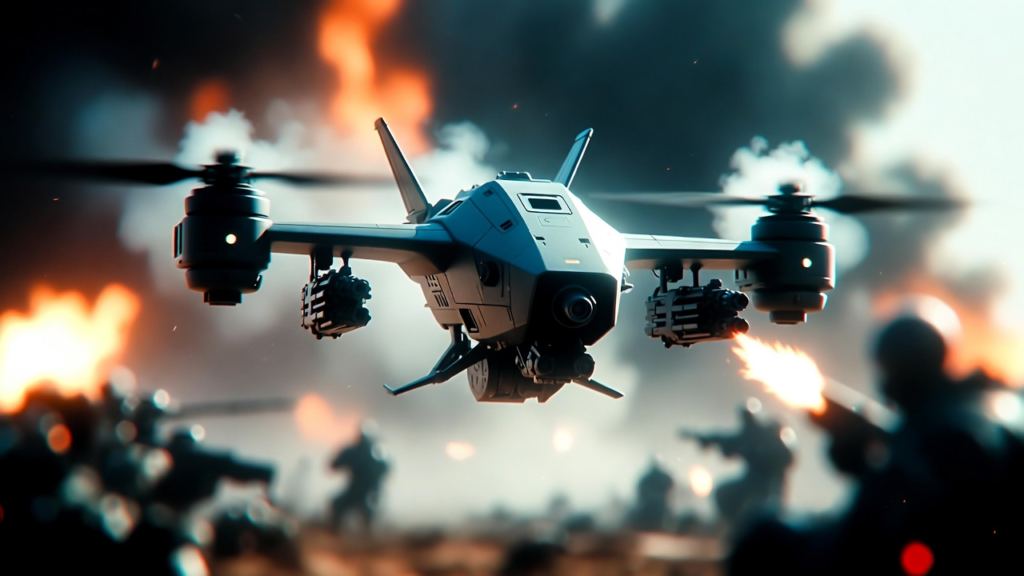
The future of warfare is likely to be shaped by AI, but as we move toward a world where machines can make decisions on the battlefield, we must carefully consider the ethical implications. Can we trust machines to handle the complexities of war, or should we maintain human control at all costs? The question of whether AI should be given life-and-death powers is one that will define the future of conflict and perhaps the future of humanity itself